.jpg)
State Sen. Kathleen Riebe, D-Salt Lake County, said she received more than 100 emails about automatic license plate readers (ALPRs) in three weeks. That volume of constituent concern, she said, is matched only by emails about data centers.
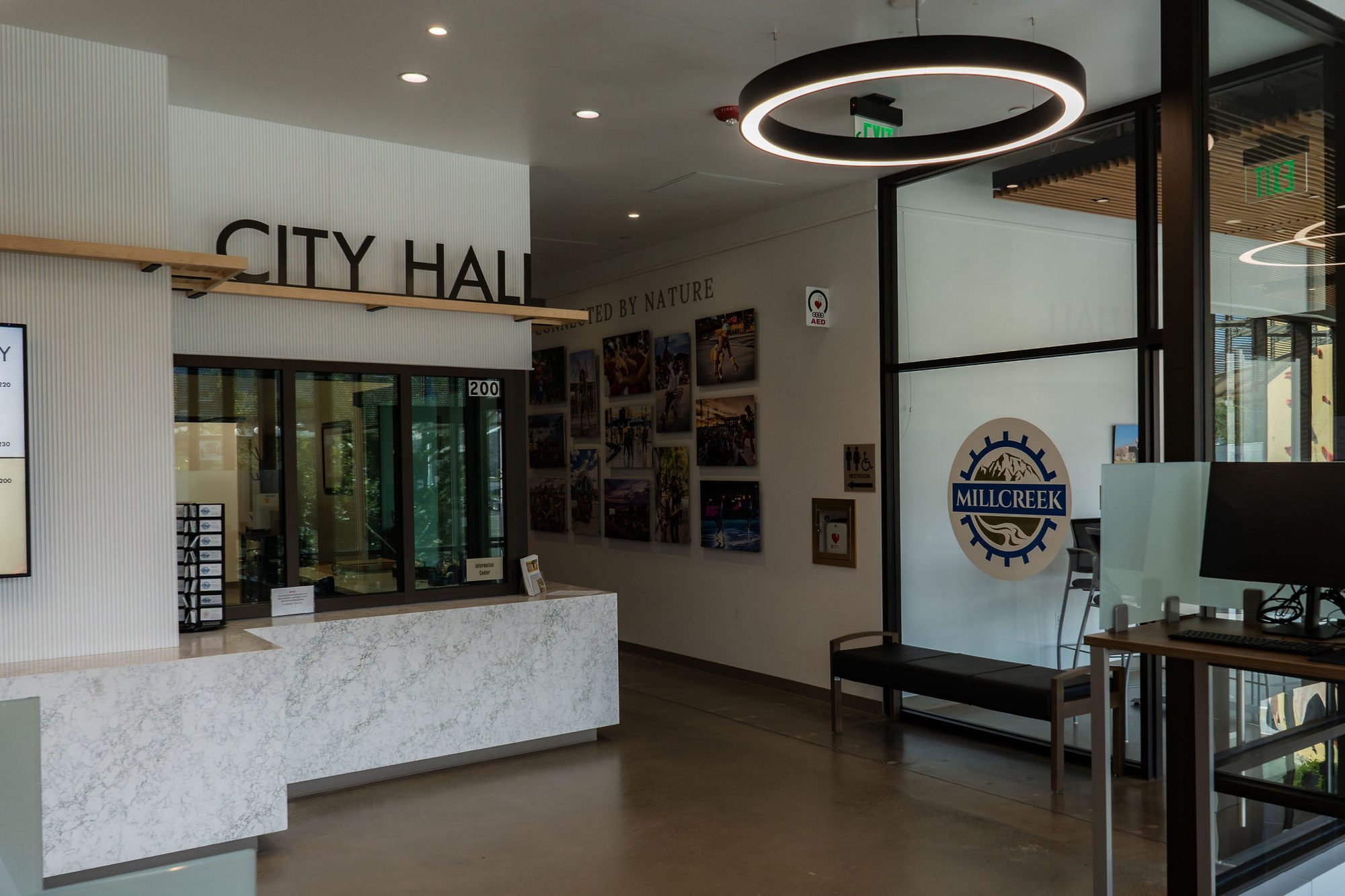
Riebe's district includes Millcreek, where city officials removed an unauthorized Flock camera from city property near 3220 South Highland Drive. No one has claimed responsibility for installing it.
Riebe told KUTV on Wednesday, Sept. 2, that she plans to propose "parameters" on ALPRs, including restrictions on where cameras can be placed and how data is accessed, retained and shared.
"I think there should be some presumed innocence in our lives so that people aren't recorded all the time," Riebe told KUTV on Sept. 2.
She is not alone at the Capitol. House Speaker Mike Schultz said the Legislature has a responsibility to put safeguards in place to protect Utahns from surveillance. An aide for Schultz said late Wednesday, Sept. 2, that the speaker will push legislation to restrict Flock camera use and limit how data is collected, used, retained, shared and sold. Schultz did not rule out a special session to address ALPRs.
Rep. Matt McPherson, R-Salt Lake County, cautioned against an outright ban but said public pressure is driving the urgency.
The push follows reports about how ALPR data is used. A Utah Civic Compact investigation found that 10 Flock cameras in Weber County were searched more than 5 million times since early 2022, mostly by out-of-state law enforcement, KSL reported. The most frequent searcher was the Houston Police Department.
Gov. Spencer Cox directed the state's Privacy Commission to review rules governing the cameras after that investigation, the Deseret News reported.
Utah law currently caps ALPR data retention at nine months, limits when officers can access the information and prohibits using it for civil immigration enforcement.
Previous legislative attempts have stalled. A 2025 bill passed the Utah House 64-2 but died in the Senate. A related bill in 2026 did not receive a hearing.
In Millcreek, Mayor Cheri Jackson said the Unified Police Department and city departments did not know who installed the camera found on city property or why it was there. Google Street View images suggest it was placed between January and June 2022, when the city did not own the property, ABC4 reported.
Nationally, at least 93 jurisdictions ended Flock contracts in August 2026 alone, a fourfold increase over the previous month, according to Secure Justice, an Oakland-based advocacy group, as Ars Technica reported.
No timeline has been set for Riebe's proposed legislation or a potential special session.