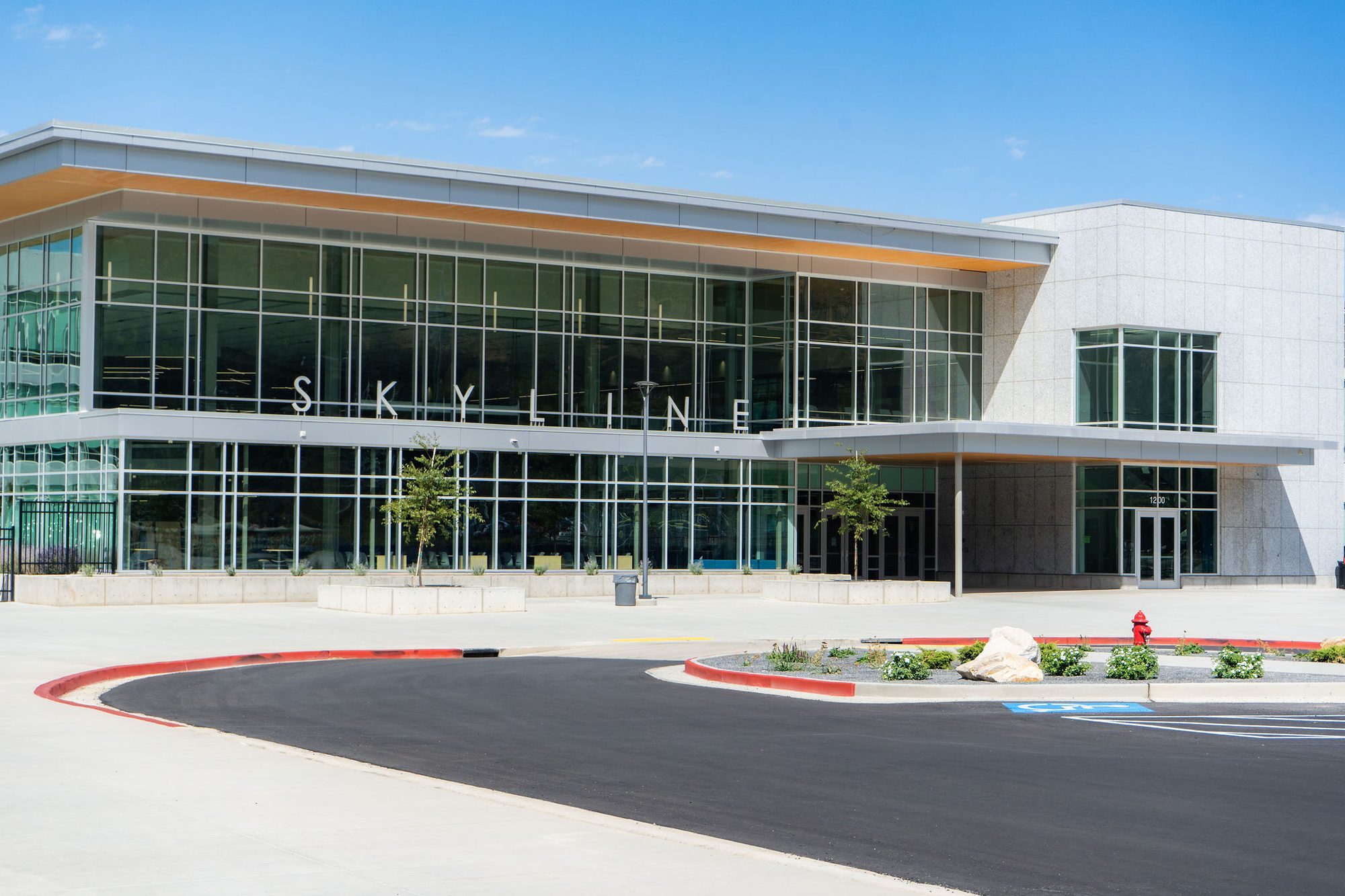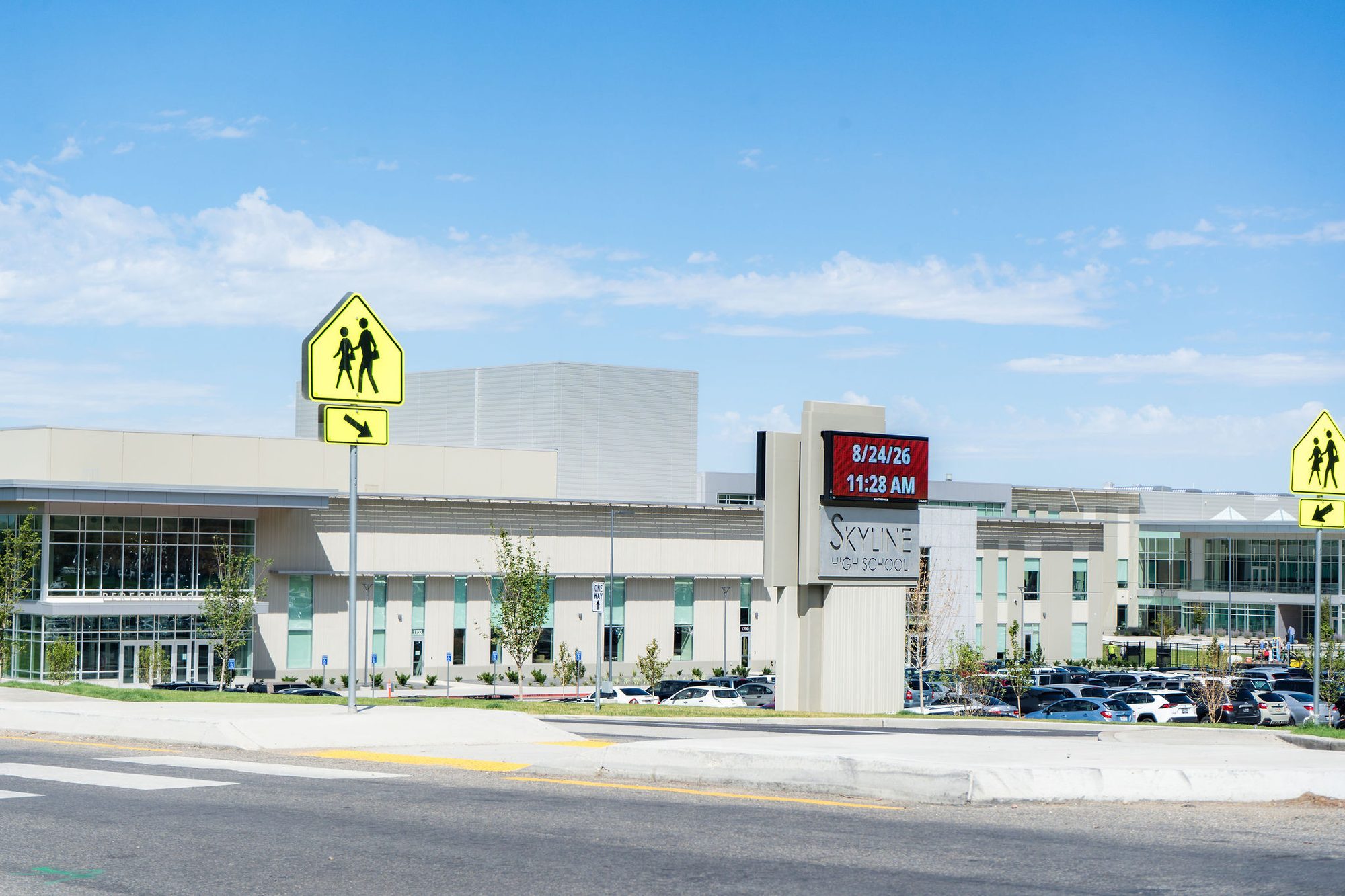
Skyline High School students now enter through a single designated door during the school day under a new closed-campus security policy, according to the Skyline Horizon, the school's student newspaper.
The policy locks exterior doors during school hours and routes all foot traffic through the front entrance. Student advocates patrol hallways to check that doors stay latched and to reduce class-skipping, the Horizon reported Nov. 2.
School Resource Officer Michael Bauer endorsed the change. "From a security standpoint, there are no downsides," Bauer told the Horizon.
Students adjust routines
The locked doors have forced students to plan ahead. Kate Morgan, a Skyline student, told the paper that "people leave a lot less easily and we all have to think ahead to make sure we can get in if we are coming later."
Madisen Baker, a student advocate, described her new role: checking "to make sure all the doors are actually latched, just because it's easier to keep it safe if we see everyone going through the front door."
One early friction point involved students returning from seminary classes at the Church of Jesus Christ of Latter-day Saints. Those students had used the aquatics-area doors as a shortcut. Baker said advocates initially held the doors open for seminary students "so that they don't have to walk all the way around especially now that it's starting to rain and snow."
The school has since opened back doors specifically for seminary students, the Horizon reported.
Research backs door security
A 2026 study by the Advanced Law Enforcement Rapid Response Training Center (ALERRT) at Texas State University, funded by the Security Industry Association, examined 54 school-based active shooter events from 2000 to 2025. Among 47 doors with known status, 29, or about 62%, were unlocked or propped open at the time of an attack. No locking mechanism in the study was defeated mechanically. In every successful breach, the attacker shot through glass panels.
The study found secured doors were associated with fewer casualties. Among 50 doors with known victim outcomes, 3 of 18 secured doors were linked to any casualty, compared with 10 of 20 unsecured doors.
The report also noted that threat profiles differ by school level. Current students accounted for about 83% of high school perpetrators, meaning exterior doors did not function as a barrier to entry in those cases. The report concluded that rapid interior lockdown capability is most consequential at secondary schools, while exterior perimeter control matters most at elementary schools.
National trend
Federal data from the National Center for Education Statistics shows controlled building access, such as locked or monitored doors, rose from about 75% of U.S. schools in 1999–2000 to about 97% in 2021–22.
No statement from Skyline's principal or Granite School District administration about the policy's rationale or scope appears in available public records.