A draft Utah bill would restrict how law enforcement agencies use license plate readers, facial recognition and other surveillance tools.
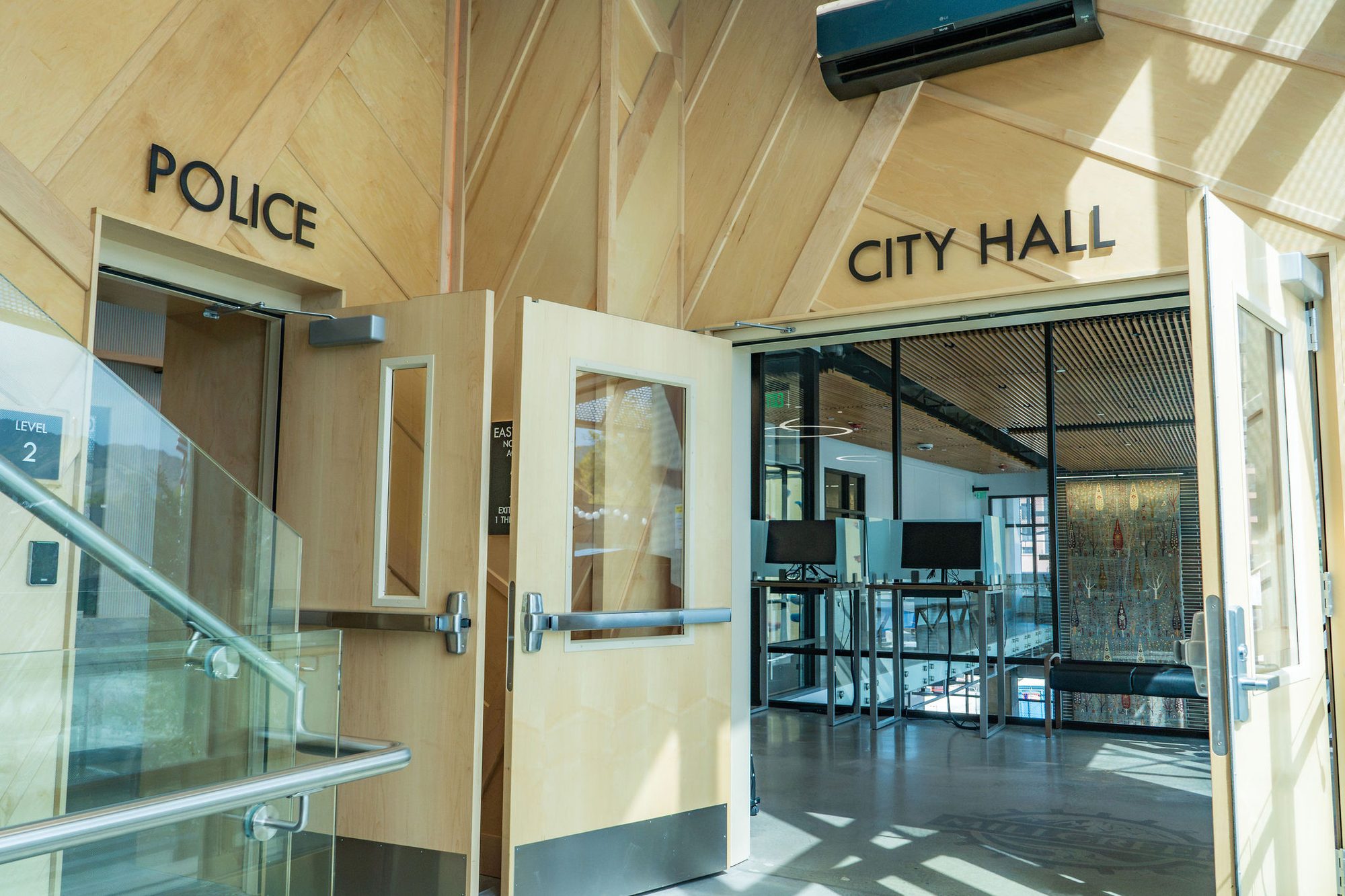
The measure would directly affect the Unified Police Department, which is headquartered in Millcreek and patrols the city. Titled "Law Enforcement Technology Amendments," it was heard at the Law Enforcement and Criminal Justice Interim Committee's Wednesday, Nov. 18 meeting, according to the bill text. It carries no named sponsor. A post on X noted that at least one additional proposal on the topic is also expected.
The bill is drafted for the 2027 general session and would take effect May 5, 2027.
What the bill would require
Starting July 1, 2027, law enforcement agencies could not use any "surveillance or investigatory technology" unless it meets state privacy and security standards. Each user would need an individual login so queries can be traced to specific employees.
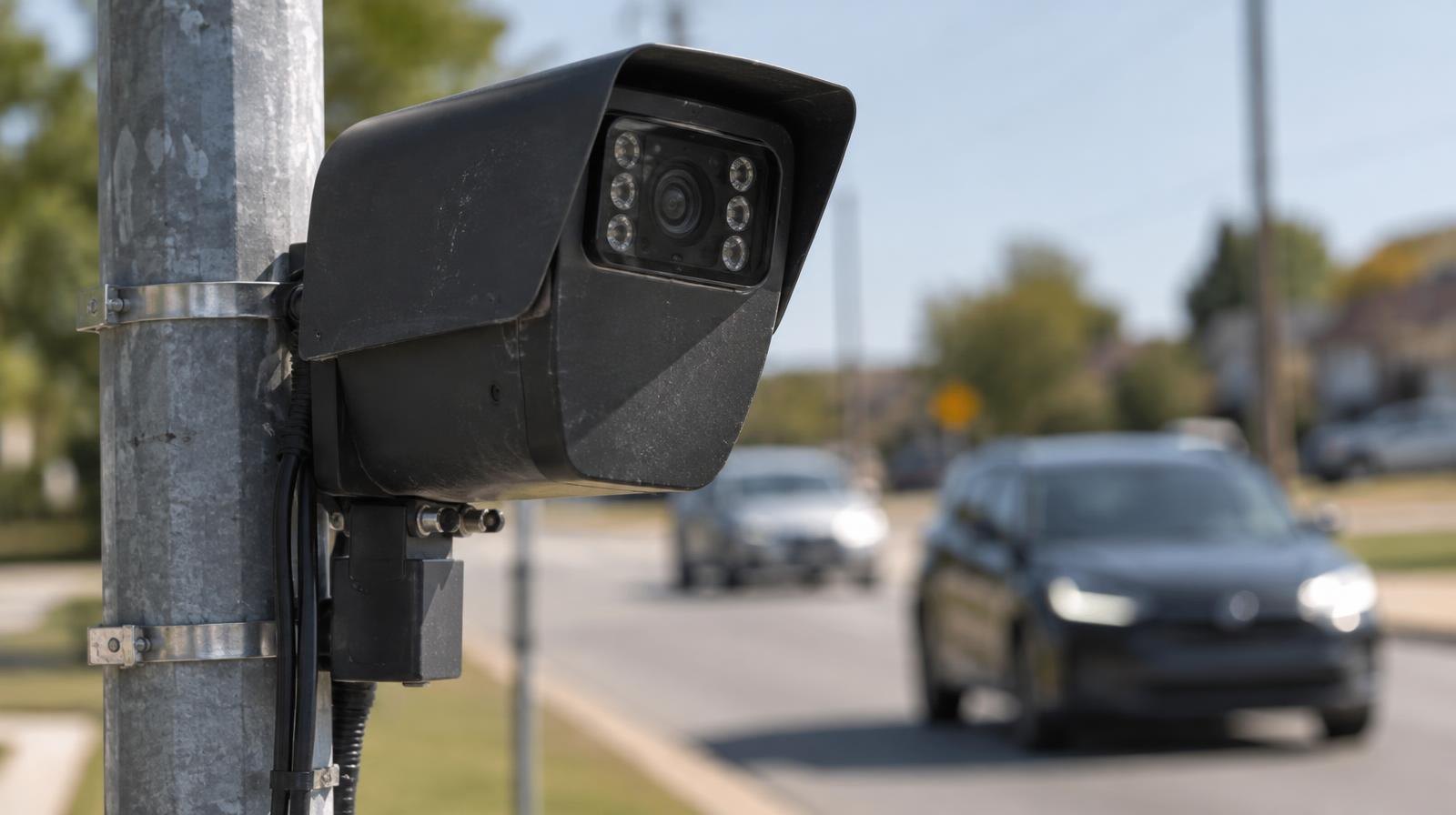
The bill defines that technology broadly. It covers any system, device, software, algorithm or similar product used for surveillance or investigation. The list specifically includes automatic license plate reader systems.
Each agency would have to create and publicly post a policy governing employee use of the technology. That policy would need annual updates. Officers could use the tools only for a legitimate and articulable law enforcement purpose or function.
Agencies would also be required to run quarterly internal audits checking for improper use or access and retain those audit records for 10 years. Minimum training standards would have to be set before any employee could operate the technology.
Discipline and oversight
The draft spells out a two-tier discipline process. If an agency finds an employee misused surveillance technology but did not do so knowingly, the agency would provide training and could pursue discipline or a criminal referral. The employee would be barred from the technology until proceedings conclude.
For knowing violations, the consequences are steeper. The agency would pursue administrative discipline and could make a criminal referral. If the employee is a peace officer and the violation involved dishonest or deceptive conduct, the agency would refer the officer to the Peace Officer Standards and Training Division.
The bill appropriates no money.
A separate provision would require annual compliance reports to the interim committee. Agencies that fail to post their policies publicly would be notified and asked to comply by April 1 of each year. Those still out of compliance would be listed in a report due to the committee by June 1.
Why it matters in Millcreek
UPD serves Millcreek along with Emigration Canyon, Holladay, Brighton, White City, Midvale, Kearns, Magna and Copperton, according to a UPD announcement. Chief Jason Mazuran, who had already served as UPD chief for six years, was formally appointed to the role in July 2024.
If the bill passes, UPD would need to publish its surveillance technology policies online, audit its use of tools like license plate readers every quarter and set up individual login tracking for each officer who accesses those systems.
No sponsor has been assigned to the bill ahead of the 2027 session.