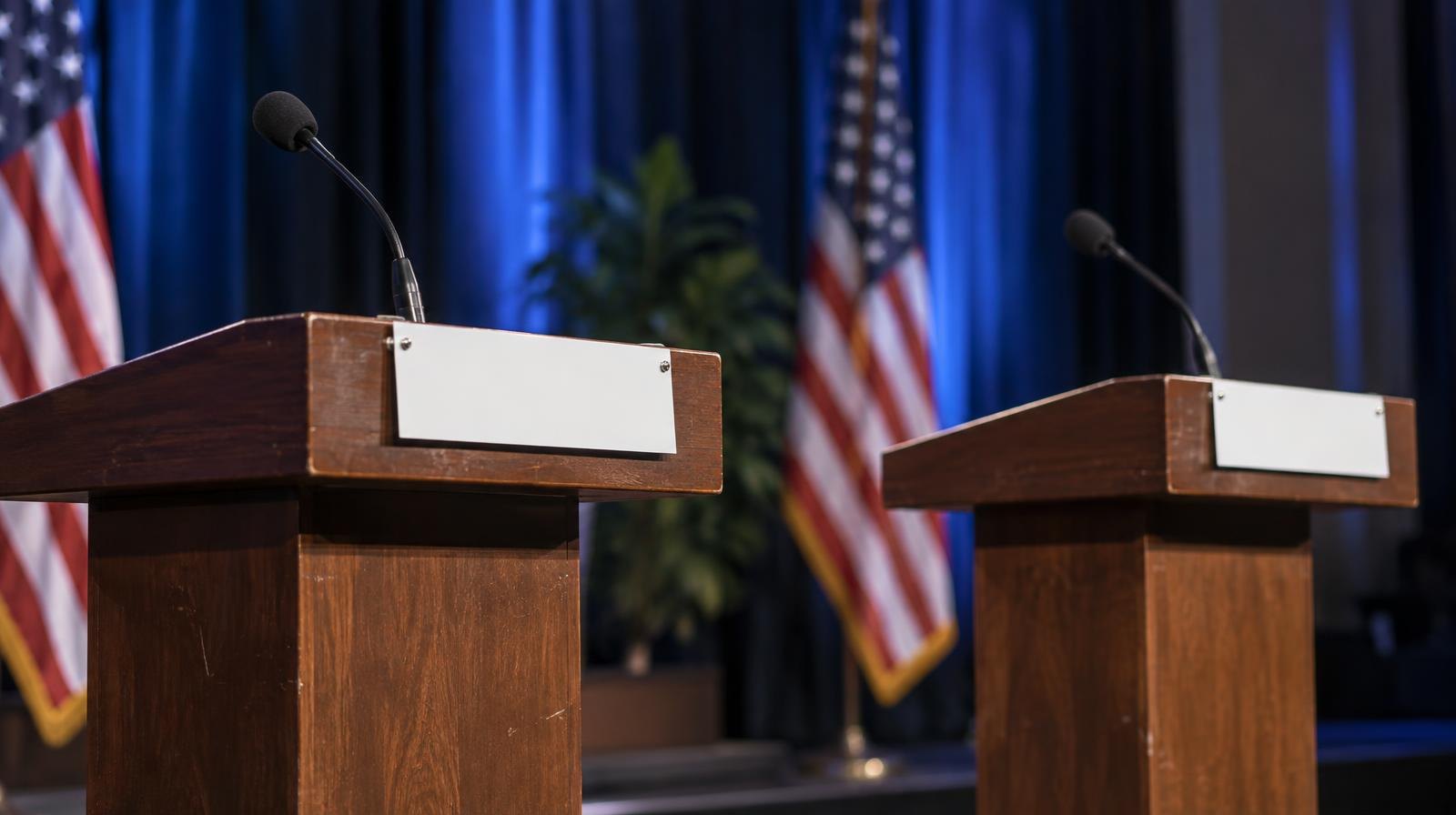
Democrat Ben McAdams and Republican Riley Owen met Sept. 29 in the first debate for Utah's redrawn 1st Congressional District, which now includes Millcreek.
Both candidates agreed artificial intelligence needs federal regulation. They split on how to protect Utah's water from data center expansion. And Owen, 28, said the Republican Party must chart a new course after President Donald Trump leaves office.
The hour-long debate, organized by the Utah Debate Commission at the Grand Theatre at Salt Lake Community College, covered AI, data centers, Social Security, tariffs and the GOP's future. The Deseret News reported the exchange was largely civil, with the candidates finding common ground on several issues.
Why Millcreek is in play
Millcreek landed in the new 1st District after court-ordered redistricting reshaped Utah's congressional map. The district covers most of Salt Lake County, including Salt Lake City, West Valley City and Murray, and favors Democrats by about 14 points, according to the Deseret News. KUER reported the race is considered a key Democratic pickup opportunity as the party tries to flip the narrowly divided U.S. House of Representatives.
McAdams, a former congressman and former Salt Lake County mayor, won a four-candidate Democratic primary on June 23. Owen, a Navy Reserve intelligence officer and former White House policy analyst, secured the Republican nomination at the GOP convention in April with 71.2% of delegate support, ABC4 reported.
AI regulation and PAC money
Both candidates called for federal guardrails on artificial intelligence. Owen called AI "the single greatest issue to impact Americans for decades to come" and said it will fully restructure the economy. McAdams said Congress has failed to ensure AI's benefits reach all Americans, not just the billionaires who own the products.
Owen challenged McAdams' credibility on the issue, pointing to more than $1 million spent on McAdams' behalf by Think Big, a pro-AI super PAC, which is part of a network funded by OpenAI co-founder Greg Brockman. Out-of-state PACs have spent more than $2.6 million supporting McAdams this cycle, according to the Deseret News. McAdams said he did not request the money and it would not change his commitment to constrain the industry.
Data centers and water
Data centers have become a top concern for Millcreek-area voters. Millcreek City Councilmember Silvia Catten, campaigning for Utah Senate District 13, told the Millcreek Journal in July that the issue dominated her conversations with residents: "In May, everyone's asking about the data center."
Owen laid out five conditions for data center developers: pay taxes, be water positive, be carbon negative, protect the power grid and protect local lands. He specifically referenced the proposed 40,000-acre Stratos Project in Box Elder County and urged residents to speak up as projects move forward.
McAdams said data center projects will come but should never draw from the Great Salt Lake watershed. He called for acquiring water rights to redirect flow from rapid new growth.
Social Security, tariffs and the GOP's future
On Social Security, McAdams proposed raising the payroll tax cap to cover higher earners. Owen proposed investing Social Security funds in the stock market, similar to pension systems in other countries. Neither proposed cuts to retirement benefits.
Owen broke from Trump on trade, calling for targeted tariffs on strategic industries rather than broad global levies. He praised Obama-era immigration enforcement focused on deporting dangerous criminals rather than all undocumented immigrants.
Looking past the current presidency, Owen told the debate audience there will be "a reckoning of what do we do next" after Trump finishes his term. "Yes, there's an R next to my name but I don't think it needs to mean what it always has," he said.
McAdams is strongly favored to win the Nov. 3 election, according to KUER.
No second debate has been announced.