Two federal actions in one week have Millcreek-area conservation groups warning that the Central Wasatch's watersheds and trails face growing pressure from deregulation.
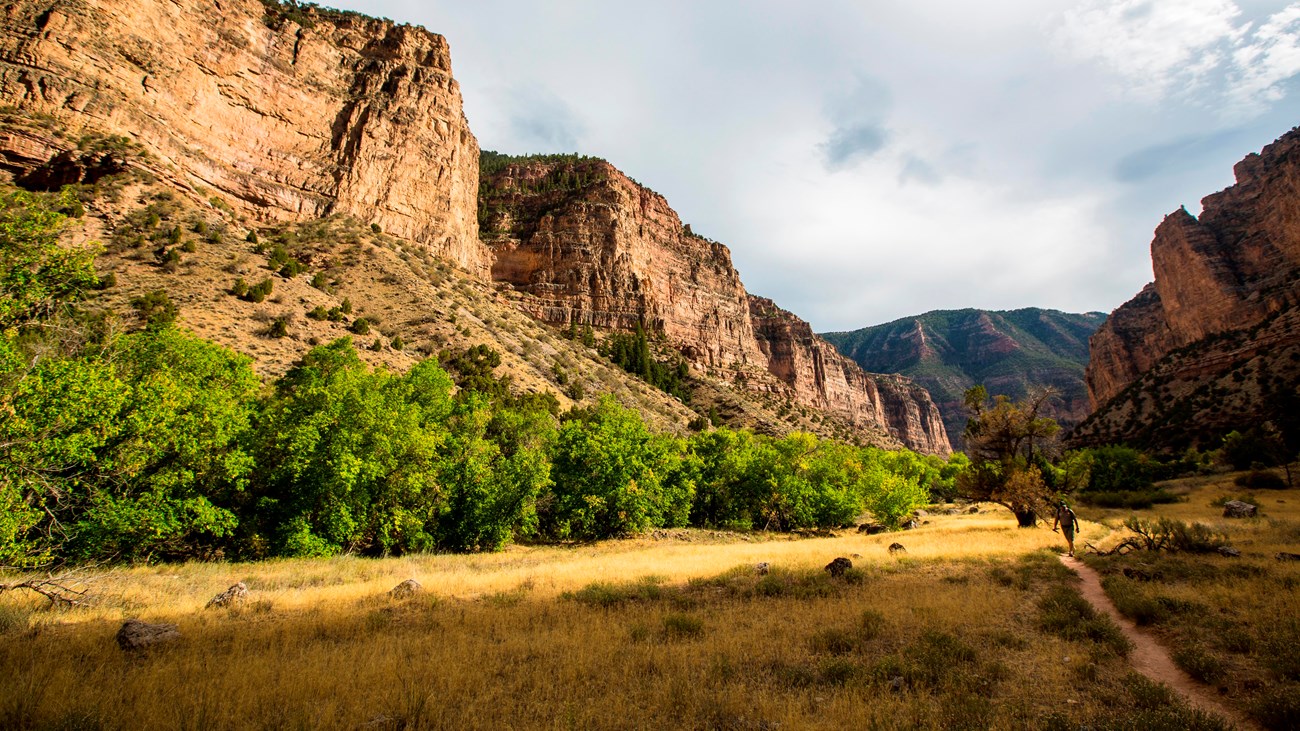
The Department of the Interior announced Aug. 13 a final rule opening nearly 1,500 new hunting and fishing opportunities across more than 90 million acres of National Wildlife Refuge lands in 32 states. In Utah, affected areas may include Jones Hole, Bear River and the Green River, according to the Deseret News. The rule is being published in the Federal Register ahead of the fall hunting season.
Five days later, on Tuesday, Aug. 18, the Trump administration separately proposed a full repeal of the 2001 Roadless Area Conservation Rule, which protects tens of millions of acres of national forest from new road construction and logging, the Washington Post reported.
That second action hits closer to home. The Central Wasatch Commission unanimously passed a resolution in October 2025 opposing any Roadless Rule rescission, warning it would strip protection from 28,500 acres of Forest Service land in Millcreek, Big Cottonwood, Little Cottonwood and Parleys Canyons.
"If removed, our vital watersheds and cherished places with premier hiking and mountain biking trails and world class backcountry skiing would lose a critical layer of protection," Millcreek Mayor Jeff Silvestrini, who chairs the CWC board, said in October 2025 when the commission adopted its resolution.
Jack Stauss, executive director of Save Our Canyons, responded to the broader federal push in an Earthjustice article published Monday, Aug. 17. He warned that the Central Wasatch already walks "a delicate balance" and called any change to wilderness policies "shortsighted and completely detrimental to future generations."
Neal Clark, wildlands director at the Southern Utah Wilderness Alliance, said in the same article that wilderness lands are among the most cherished places for families to camp, hike and fish in Utah, and that his organization opposes any policy changes that put wild landscapes at risk.
Interior Secretary Doug Burgum framed the hunting expansion differently, saying the rule gives hunters and anglers something significant to look forward to this fall and that the administration is committed to increasing public-land access. U.S. Fish and Wildlife Service Director Brian Nesvik said the new opportunities will better align with state regulations and boost local recreation economies.
Utah Gov. Spencer Cox praised the Roadless Rule repeal proposal, saying it restores flexibility to make decisions based on the needs of each forest and each community.
Save Our Canyons drew more than 130 people to a public hearing on the Roadless Rule at the Millcreek Commons Grandview Room in May 2026. The proposed repeal is open for public comment through Sept. 21.