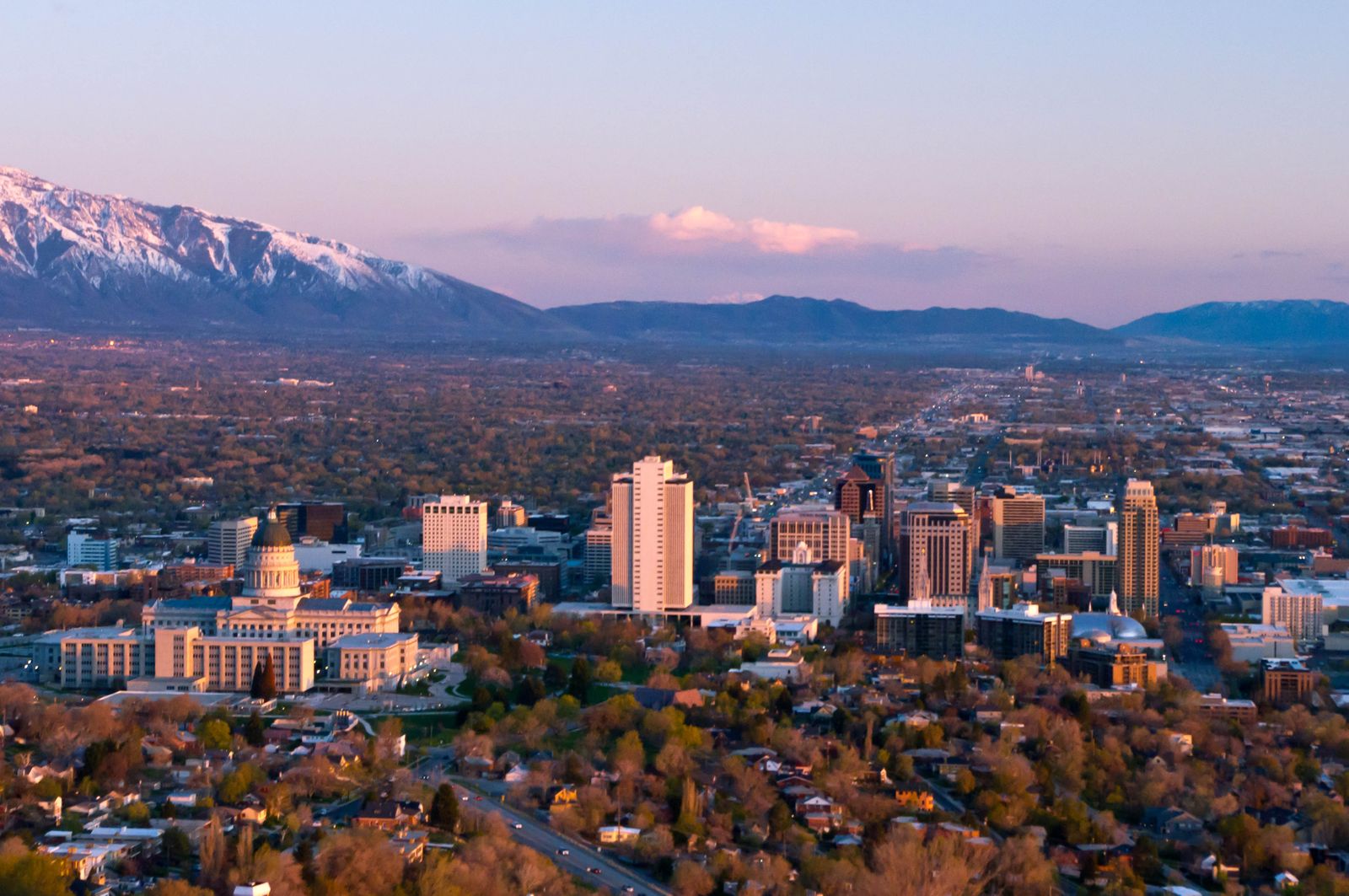
Nine out of 10 Utah renters cannot afford to buy a home in the state, according to a report released Wednesday, Sept. 9, by the University of Utah's Kem C. Gardner Policy Institute. In Millcreek, where the median single-family home sells for $833,000, the gap between renting and owning is even wider.
The report, titled "State of the State's Housing Market: 2025-2026," found that a median-priced home in Utah now costs $520,000, up from $500,000 a year earlier. That ranks Utah the 10th most expensive state for single-family homes. A household needs $147,000 in annual income, down about $2,000 from 2025, to cover the average monthly mortgage payment of $3,669, as the Deseret News reported.
Millcreek's numbers are far steeper. The Salt Lake Board of Realtors' second-quarter report pegged the city's median sale price at $833,000, requiring a household income of roughly $235,000. The board labeled single-family homes "severely unaffordable" in all 16 Salt Lake County municipalities it tracked. Countywide, the median hit a record $645,000, up 4.03% from a year earlier.
Median household earnings in Salt Lake County sit at $97,494. A home would have to cost about $301,000 to meet the federal standard that housing should consume no more than 30% of gross monthly income.
"Stability should not be mistaken for affordability or even satisfaction with where we're at," said Natalie Gochnour, the institute's director, at a panel discussion in downtown Salt Lake City on Sept. 9.
Steve Waldrip, senior housing adviser to Gov. Spencer Cox, warned at the panel that a widening "generational gap" in homeownership threatens more than household wealth. Waldrip said housing stability is directly tied to civic participation, crime rates and birth rates, calling it central to "all of the things we care about as a society."
Utah's homeownership rate stood at 68.3% last year, still above the national 65.3%. But the margin has narrowed. A decade ago, just under 70% of Utah households owned their homes compared to 63.7% nationally.
Dejan Eskic, a senior research fellow at the institute and a report author, said Utah's high ranking is recent. Until about a decade ago, the state sat in the middle of the pack nationally. Average monthly mortgage payments more than doubled between 2016 and 2022, rising from $1,458, as the pandemic drove prices sharply higher.
The report projects Utah will need 280,000 additional homes and apartments by 2035 to keep pace with a population expected to top 4 million.
Millcreek's own development pipeline reflects the push for more housing. The city's planning applications show a mixed-use hotel and residential condominium project proposed at 3232 S. Highland Drive as the next phase of the 2019 City Center Master Plan. PEG Development and Encore Development are partnering with the city on the project. An 18-unit townhome development at 1265 E. Villa Vista Ave., which received a zone change in December 2025, has a pending conditional-use permit application. A separate affordable-housing proposal at 1285 E. Villa Vista Ave. was filed in April 2026.
A statewide law, S.B. 284, requires cities to allow detached accessory dwelling units on lots of 11,000 square feet or larger by Oct. 1, the Herald Extra reported. No Millcreek-specific compliance action has been publicly announced.
The Millcreek Planning Commission next meets Wednesday, Sept. 16, at 5 p.m. at Millcreek City Hall.