Utah wildlife officials have killed more than three dozen bears so far in 2026, exceeding the combined total of the previous three years, KUTV reported Tuesday, Sept. 8.
The record comes as bear encounters have surged across the Wasatch Front, including in Big Cottonwood Canyon, the drainage immediately south of Millcreek Canyon. The Utah Division of Wildlife Resources (DWR) had responded to 168 bear calls as of Aug. 25, double the 83 calls it handled in all of 2025, according to the Deseret News.
The cause: a brutal growing season. A warm spring followed by hard freezes, then extreme heat and drought, wiped out berries, acorns and other vegetation that make up 90% of a black bear's diet, according to DWR.
"It's not a good year to be a bear … This is for sure not a normal year," DWR game mammals coordinator Chad Wilson told the Daily Herald on Aug. 18, as sightings multiplied across the Wasatch Front.
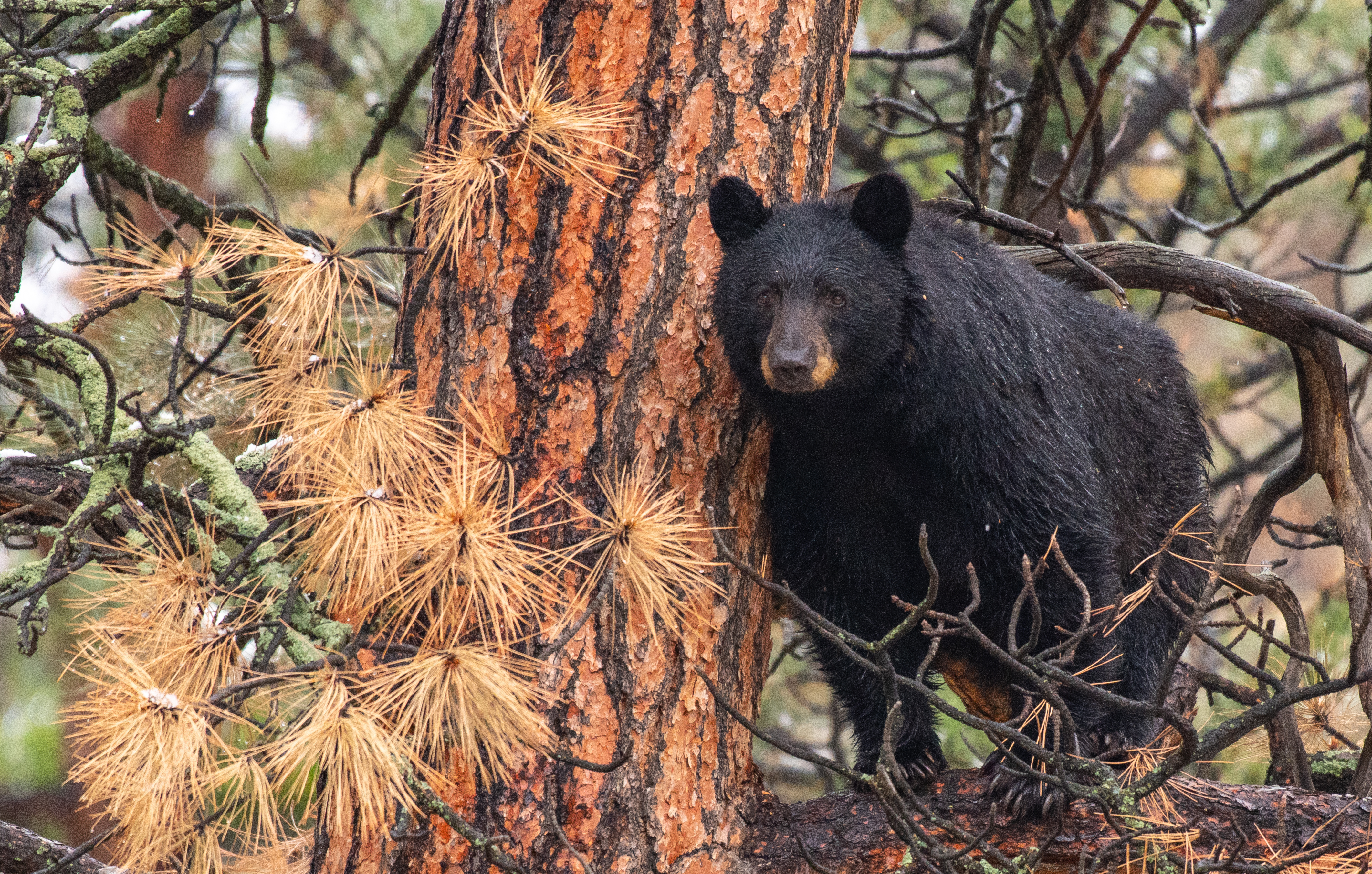
Bears have turned up in places residents would not expect. In late August, a bear was spotted climbing a tree and eating leaves near the Lake Blanche Trailhead parking lot in Big Cottonwood Canyon, ABC4 reported. No confirmed bear sighting in Millcreek Canyon itself has been reported, but DWR data show the animals are ranging farther from high-elevation habitat in search of food.
Nicki Frey, a Utah State University Extension specialist in human-wildlife interactions, told ABC4 on Aug. 22 that bears "start roaming a little bit further afield" when drought dries up berry crops.
The encounters have forced difficult decisions. A bear cub captured in a window well of a Mount Pleasant home was euthanized on Aug. 27 after DWR said it conducted an "exhaustive" search for an accredited facility to take the animal. Utah lacks certified wildlife rehabilitation centers equipped to house bears or other large predators. A 2-year-old black bear was also tranquilized and euthanized in south Logan after roaming near highways and apartment complexes.
Relocation does not always work, either. A black bear captured in Park City in May and moved to the Avintaquin Mountain area turned up in August in Vivian Park, Provo Canyon, nearly 75 miles away.
DWR population models show more bears live in Utah than 30 years ago. At the same time, much of the state's residential growth is pushing into canyons and foothills that are natural bear habitat, according to ABC4.
For Millcreek Canyon hikers and foothill residents, DWR offers specific guidance. Bears spotted in canyon or foothill areas should be reported only if they are acting aggressively, getting into trash or fruit trees, or causing property damage. Bears that wander into lower-elevation neighborhoods should be reported immediately. If you encounter a black bear, stand your ground, never play dead, stay calm and give the bear a chance to leave. Do not run or climb a tree. If a black bear attacks, fight back. The agency also urges canyon-area residents to secure bird feeders, fruit trees, compost piles, pet food, barbecue grills and outdoor garbage cans.